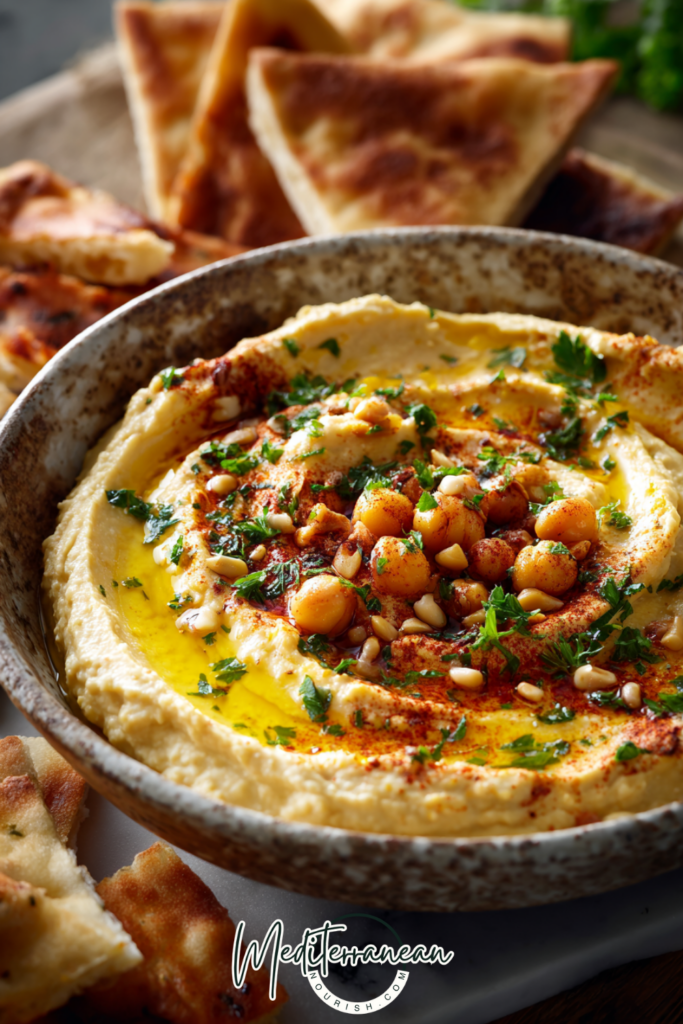
Unlock Ultra-Smooth Hummus: Your Journey to Creamy Perfection
Forget everything you think you know about store-bought hummus. While convenient, the vibrant, deeply flavorful, and incredibly smooth texture of homemade hummus is a revelation that once experienced, will forever change your perception of this Middle Eastern classic. Crafting your own batch isn't just about saving a few dollars; it's about unlocking a level of freshness and creaminess that supermarket tubs simply cannot match. If you've been searching for the definitive
easy hummus recipe that delivers restaurant-quality results, you've found it. We're about to dive deep into the essential ingredients and ingenious blending techniques that guarantee an ultra-smooth, luxuriously whipped hummus every single time.
This isn't just another hummus recipe; it's a guide to transforming simple ingredients into a culinary masterpiece. From understanding the nuanced role of each component to mastering the order of operations in your food processor, we'll equip you with all the secrets to make a hummus so good, your friends and family will swear it came from your favorite Mediterranean eatery. Get ready to experience the true potential of this beloved dip.
The Foundation: Key Ingredients for Superior Homemade Hummus
The journey to an exquisite, ultra-smooth hummus begins with a careful selection of ingredients. Each component plays a vital role, contributing not only to flavor but also to that coveted silken texture.
Chickpeas (Garbanzo Beans): The Heart of Hummus
The humble chickpea forms the robust base of any good hummus. You have two primary options: canned or dried.
- Canned Chickpeas: For convenience, canned chickpeas are excellent. Opt for a brand with good quality, and always rinse them thoroughly under cold water to remove excess sodium and any canning liquid residue.
- Dried Chickpeas: If you have the time, cooking chickpeas from scratch offers a slightly superior flavor and texture. Soaking them overnight and then simmering until tender provides you with complete control over their doneness. Overly firm chickpeas can lead to a grainy hummus.
- The Ultimate Secret to Smoothness: Peeling! This might sound tedious, but for truly unparalleled smoothness, peeling the outer skins from cooked chickpeas is a game-changer. The skins, though tiny, contribute to a slightly gritty texture. You can achieve this by rubbing the cooked chickpeas between your hands in a bowl of water, allowing the skins to float, or by gently squeezing each one. It's an extra step, but one that dedicated hummus enthusiasts swear by for that ethereal, whipped consistency.
Tahini: The Unsung Hero of Creaminess and Flavor
Tahini, a paste made from ground sesame seeds, is non-negotiable for authentic hummus. It provides a distinct nutty flavor and is absolutely crucial for the characteristic creamy texture.
- Quality Matters: Invest in a good quality tahini. Look for brands that are light in color, pourable (not too thick or pasty), and have a mild, slightly sweet sesame flavor without bitterness. High-quality tahini will separate naturally, so stir it well before use.
- Homemade vs. Store-Bought: While you can make your own tahini, store-bought varieties are perfectly acceptable and widely available. Just ensure it's fresh.
- The "No Tahini" Conundrum: While some recipes offer "hummus without tahini" alternatives, be aware that these will yield a dip with a different flavor profile and texture. For a traditional, truly superior hummus, tahini is essential.
Fresh Lemon Juice: Brightness and Balance
This is one ingredient where there's no compromise: use fresh lemon juice. Bottled lemon juice simply doesn't offer the same vibrant acidity and fresh zestiness that cuts through the richness of the chickpeas and tahini. It brightens the entire dip and balances the flavors beautifully.
Garlic: Aromatic Depth
Garlic adds a wonderful aromatic punch. For a classic hummus, one small clove is usually sufficient. However, feel free to adjust to your preference:
- Milder Flavor: Use half a clove or steep a whole clove in the lemon juice for a few minutes before blending, then remove it.
- Stronger Kick: Add an extra small clove.
- Sweet and Mellow: For a deeper, sweeter flavor profile, consider using roasted garlic instead of raw.
Cumin and Salt: The Seasoning Symphony
These two humble spices are vital for bringing out the best in your hummus.
- Cumin: Adds a warm, earthy richness and a subtle spice that defines the classic hummus taste. Start with a modest amount and add more to taste.
- Salt: Essential for seasoning. Always taste and adjust as you blend. Remember, you can always add more, but you can't take it away!
Olive Oil: Luxurious Texture and Finish
Olive oil serves a dual purpose: it contributes to the luxuriously smooth texture within the hummus itself and makes for a beautiful, flavorful drizzle on top when serving.
- Fruity and Light: Opt for a good quality extra virgin olive oil with a fruity, light flavor profile that won't overpower the other ingredients.
- Serving Garnish: A final swirl of olive oil not only enhances presentation but also adds a lovely sheen and another layer of flavor. Consider garnishing with a sprinkle of Za'atar or paprika for an extra flourish.
Beyond the Basics: Unlocking Hummus Perfection with Blending Secrets
While high-quality ingredients are the foundation, the true magic of ultra-smooth hummus lies in the blending technique. This isn't just about throwing everything into a food processor; it's about a specific order and timing that transforms the mixture into a light, airy, and velvety dip. These are the secrets that elevate your homemade hummus far above any store-bought variety. You'll soon see why our
Homemade Hummus: Ultra-Creamy & Better Than Store-Bought article covers these techniques in depth!
Secret #1: The Tahini and Lemon Juice Emulsion
This is arguably the most critical step for achieving that signature whipped texture.
- The Technique: Add your tahini and fresh lemon juice to your food processor first. Before adding anything else, turn the processor on and let it run for 1-2 minutes.
- The Science: This process whips air into the tahini and lemon juice, creating a light, fluffy, and emulsified base. The mixture will lighten in color and thicken slightly, forming a beautiful foundation for your hummus. Skipping this step often results in a denser, less airy hummus.
Secret #2: Gradual Chickpea Integration and Extended Processing
Once your tahini and lemon juice are whipped, it’s time for the chickpeas.
- Batch by Batch: Add your cooked chickpeas in two batches. Process the first batch for about a minute until it starts to break down, then add the remaining chickpeas along with your garlic, cumin, and salt.
- Let It Run: Don't be shy with your food processor. Once all ingredients are in (except the final liquid), let the processor run for 3-5 minutes. This extended blending time is crucial for breaking down the chickpeas completely and achieving an incredibly smooth consistency. Scrape down the sides of the bowl occasionally to ensure everything is incorporated.
Secret #3: The Final Liquid Stream for a Velvety Finish
This is the moment your hummus transforms from a thick paste into a luxurious, whipped dip.
- The Magic Touch: While the food processor is still running, slowly stream in a few tablespoons of very cold water. You can also use aquafaba (the liquid from canned chickpeas) for an even richer texture, or even a few ice cubes.
- Observe the Transformation: As you add the liquid, you'll notice the mixture becoming lighter, fluffier, and visibly smoother. Stop adding liquid once you reach your desired consistency – typically 2-4 tablespoons. The cold liquid helps to cool the mixture slightly, preventing the tahini from becoming too oily and maintaining that light, airy texture.
Essential Tools & Troubleshooting for Your Hummus Journey
Having the right tools can make all the difference, and a powerful food processor or high-speed blender is key to achieving that desirable smooth texture. These machines are designed to break down ingredients finely and efficiently.
Troubleshooting Common Hummus Hurdles:
- Grainy Hummus: This is often due to insufficient blending time or not peeling the chickpeas. Next time, extend your processing duration and consider the peeling step.
- Too Thick: Easily remedied! Simply blend in a tablespoon or two more cold water (or aquafaba) until it reaches your preferred consistency.
- Lacking Flavor: Taste as you go! Adjust salt, lemon juice, or cumin. Sometimes a touch more fresh lemon juice is all it needs to brighten up.
- Slightly Bitter: This can happen if your tahini is old or of poor quality. Ensure you're using fresh, high-quality tahini. Too much raw garlic can also contribute a sharp bitterness; try roasting it next time.
Serving Your Masterpiece: Creative Ideas & Storage
Once your ultra-smooth hummus is ready, the serving possibilities are endless. Transfer it to a shallow bowl, create a swirl with the back of a spoon, and drizzle generously with extra virgin olive oil. For an extra touch of flavor and visual appeal, sprinkle with paprika, sumac, fresh parsley, or a dash of Za'atar.
Serve your homemade hummus with warm pita bread, an assortment of fresh vegetables like cucumber, carrots, bell peppers, or celery sticks. It also makes a fantastic spread for sandwiches and wraps, a delightful addition to grain bowls, or a flavorful base for salads.
Storage: Store leftover hummus in an airtight container in the refrigerator for up to 5-7 days. For best results, cover the surface directly with a thin layer of olive oil before sealing, which helps to prevent drying and discoloration.
Embrace the Art of Homemade Hummus
Making your own hummus from scratch is a deeply rewarding experience, transforming simple, wholesome ingredients into a truly exceptional dip. By understanding the critical role of each component and mastering a few key blending techniques, you can consistently achieve that coveted ultra-smooth, creamy texture that far surpasses any store-bought option. We hope these insights and tips empower you to unlock the full potential of this incredible dish in your own kitchen. Dive in, experiment with flavors, and enjoy the unparalleled satisfaction of creating the best homemade hummus you've ever tasted.