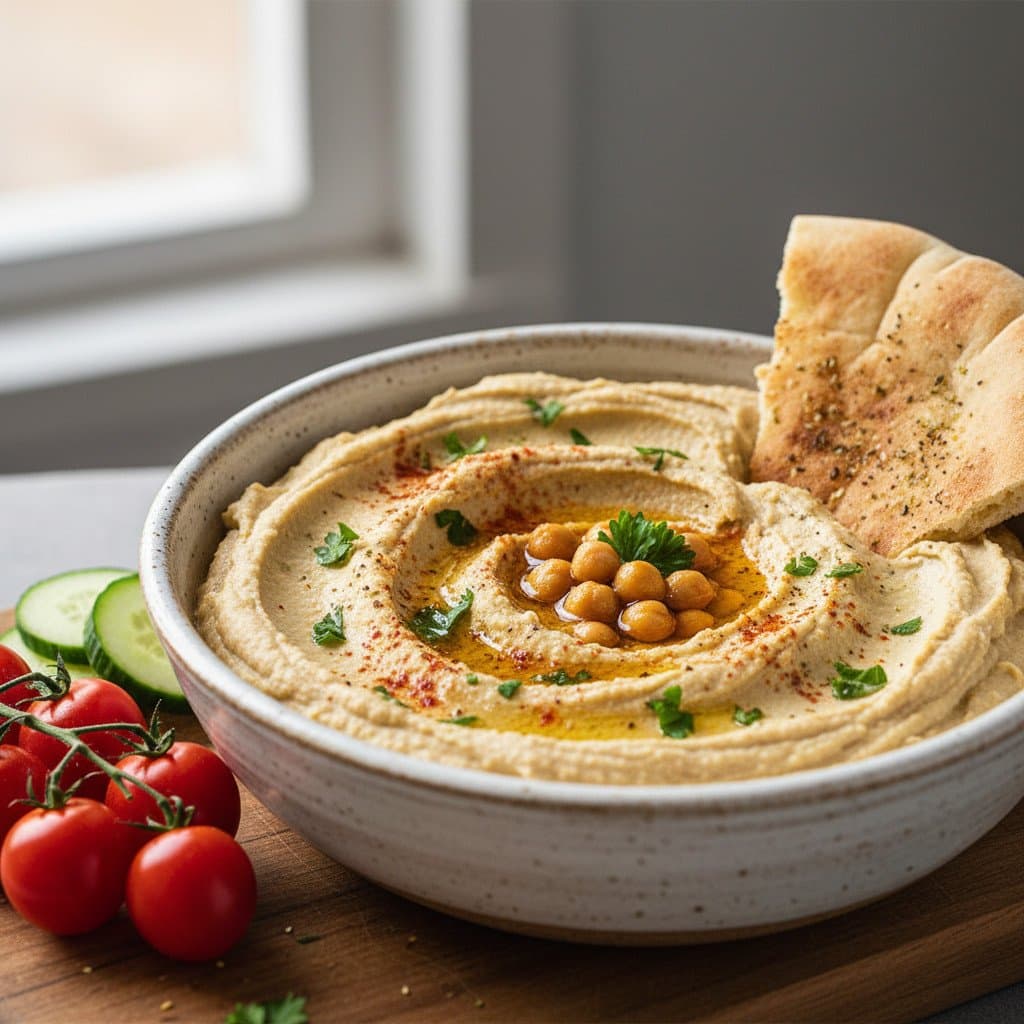
Homemade Hummus: Ultra-Creamy & Better Than Store-Bought
Forget everything you thought you knew about store-bought hummus. While convenient, the truth is that most commercial varieties simply can't compare to the rich, velvety texture and vibrant flavor of a truly exceptional homemade hummus. Imagine a spread so smooth it melts in your mouth, so packed with fresh, zesty flavor that every dip is an experience. This isn't a culinary fantasy; it's the promise of your very own kitchen-made hummus. We're about to unlock the secrets to an ultra-creamy Easy Hummus Recipe: Achieve Creamy Perfection with Simple Steps that will forever change your perception of this beloved Middle Eastern dip.
Hummus, a staple in Mediterranean and Middle Eastern cuisines, traditionally consists of chickpeas, tahini (sesame paste), lemon juice, and garlic. It's a testament to how a few simple ingredients, when combined with the right technique, can create something truly extraordinary. For years, our family has relied on this very hummus recipe, and countless others who've tried it swear it's become their permanent go-to. Prepare to elevate your snack game, impress your guests, and discover a homemade hummus so good, you'll wonder why you ever bought it from a tub.
Why Homemade Hummus Reigns Supreme
The allure of homemade hummus extends far beyond mere cost savings. It's about an unparalleled freshness and depth of flavor that mass-produced versions simply cannot replicate. Here's why making your own is a game-changer:
- Superior Flavor Profile: Freshly squeezed lemon juice, raw garlic, and quality tahini create a bright, zesty, and nutty flavor that often gets muted or lost in pre-packaged options due to preservatives and longer shelf life.
- Customizable Texture: Want it thinner? Thicker? Extra smooth? When you make it yourself, you control the consistency. No more settling for overly dense or watery store-bought varieties.
- Ingredient Control: You choose every single component. Opt for organic chickpeas, a specific type of olive oil, or adjust the salt and spice to your exact preference. This is particularly beneficial for those with dietary restrictions or specific flavor desires.
- Warmth and Freshness: There’s a certain magic to serving a hummus that’s been freshly prepared, perhaps still slightly warm from the food processor, drizzled with your favorite olive oil.
The Core Ingredients for Hummus Mastery
Achieving that coveted ultra-creamy texture and vibrant flavor starts with understanding the role of each key ingredient. Quality truly matters here, setting the foundation for the best homemade hummus.
Chickpeas (Garbanzo Beans): The Foundation
Whether you choose canned or dried, chickpeas form the hearty base of your hummus. While canned chickpeas (drained and rinsed) are convenient, cooking them from scratch yields a slightly superior, nuttier flavor and softer texture. Many hummus aficionados also swear by peeling the chickpeas for an undeniably smoother result. This step, while a bit tedious, eliminates the slight grittiness the skins can introduce. However, with the right blending technique, you can still achieve fantastic creaminess without peeling.
Tahini: The Unsung Hero of Creaminess
This paste made from ground sesame seeds is non-negotiable for authentic, ultra-creamy hummus. It provides a luxurious richness, a subtle nuttiness, and is crucial for the emulsification process that makes hummus so smooth. Not all tahini is created equal; look for a high-quality brand with a smooth, pourable consistency and a light, rather than bitter, taste. Whipping the tahini with lemon juice first is a secret weapon we’ll discuss shortly – it's key to that light, airy texture.
Fresh Lemon Juice: The Zesty Brightener
Please, skip the bottled stuff! Freshly squeezed lemon juice makes an immense difference. Its bright acidity cuts through the richness of the tahini, balances the flavors, and adds an essential zest that elevates the entire dish. Always taste and adjust – you might find you prefer a little more zing!
Garlic: The Aromatic Powerhouse
A single small clove of fresh garlic is usually enough to infuse a subtle, aromatic warmth without overpowering the other ingredients. If you're a garlic lover, feel free to add more, or for a mellower, sweeter flavor, try using roasted garlic. Roasting garlic transforms its sharp pungency into a buttery, spreadable sweetness that adds another layer of complexity to your hummus recipe.
Cumin & Salt: The Flavor Enhancers
These two spices are crucial for rounding out the flavor profile. Cumin adds a warm, earthy richness that is characteristic of traditional hummus, while salt brings all the flavors into harmony. Don't be shy about tasting and adjusting the seasoning as you go.
Olive Oil: For Smoothness and Shine
A drizzle of good quality extra virgin olive oil, especially a fruity, light-flavored one, is essential both in the blending process to achieve a luxuriously smooth texture and as a final garnish. A swirl of oil on top not only looks appealing but adds another layer of flavor and richness.
For a deeper dive into how these ingredients interact and impact your final hummus texture, explore our guide on Unlock Ultra-Smooth Hummus: Key Ingredients & Blending Secrets.
The Ultra-Creamy Hummus Method: Unlocking Silky Smoothness
The secret to achieving truly extraordinary, ultra-creamy hummus lies not just in the ingredients, but in the specific order and technique of blending them. This method leverages the power of your food processor to create a light, whipped consistency that's far superior to any store-bought alternative.
Step 1: The Tahini & Lemon Embrace
This is arguably the most critical step for achieving a light and airy hummus. Begin by adding your tahini and fresh lemon juice to your food processor. Process them together for at least one to two minutes, until the mixture becomes pale, thick, and almost fluffy. This initial whipping creates an emulsion, essentially aerating the tahini and making it significantly lighter. This prevents a dense, pasty hummus and is fundamental to the ultra-creamy outcome.
Step 2: Gradual Chickpea Integration
Once your tahini and lemon juice are beautifully whipped, it's time to introduce the chickpeas, along with your garlic, cumin, and salt. Instead of dumping them all in at once, add the chickpeas in two batches. Process the first batch for a full minute, allowing them to break down thoroughly before adding the remainder. This staggered approach helps the food processor work more efficiently, ensuring every chickpea is perfectly pulverized, contributing to the overall smoothness.
Step 3: The Icy Transformation (The "Magic" Liquid)
After your chickpeas, tahini, and spices have processed into a thick, somewhat pasty mixture, it's time for the final, transformative step. While the food processor is still running, slowly stream in a small amount of ice-cold water (or aquafaba – the liquid from canned chickpeas, which also works wonders). Start with a few tablespoons, pausing to check the consistency. The cold liquid, when introduced to the rapidly processing mixture, works to emulsify the fats from the tahini and olive oil even further, "shocking" the mixture and transforming it into a remarkably light, fluffy, and impossibly smooth hummus. Some enthusiasts even toss in an ice cube or two for this very reason!
Continue processing until your hummus reaches your desired level of creaminess, often another 3-5 minutes, scraping down the sides of the bowl as needed. The final texture should be akin to a thick, whipped cloud.
Tips for Hummus Perfection & Creative Twists
Once you've mastered the basic ultra-creamy hummus recipe, the possibilities for customization are endless. Here are some pro-tips and ideas to elevate your homemade creation:
- Taste and Adjust: Always taste your hummus before serving. Does it need more salt? More lemon juice? A touch more cumin? Don't be afraid to tweak the flavors to your personal preference.
- The Aquafaba Advantage: Don't discard that chickpea liquid! Aquafaba is an incredible emulsifier and can be used in place of cold water for an even richer, silkier texture.
- Serving Suggestions: Beyond a simple dip with pita bread or veggies, homemade hummus is fantastic as a spread in sandwiches and wraps, a base for grain bowls, or dolloped alongside grilled meats and falafel. Don't forget a generous drizzle of olive oil, a sprinkle of paprika or sumac, and perhaps some chopped fresh parsley or a few chickpeas on top for garnish.
- Flavor Variations: Experiment with additions like roasted red peppers, sun-dried tomatoes, blanched beets for a vibrant pink hue, or fresh herbs like cilantro and mint. You can even roast whole garlic cloves with a pinch of chili flakes for a spicy kick.
- Storage: Store your homemade hummus in an airtight container in the refrigerator for up to 5-7 days. Drizzle a thin layer of olive oil over the surface before sealing; this helps prevent it from drying out and oxidising.
- Troubleshooting: If your hummus is too thick, simply add another splash of cold water or aquafaba while processing. If it's too thin, try adding a few more chickpeas (if you have them) or allow it to chill in the fridge, as it will thicken slightly. If it tastes a bit bitter, it could be the tahini; a touch more lemon juice can sometimes help balance it.
If you're looking for a more detailed, step-by-step instructional, our Easy Hummus Recipe: Achieve Creamy Perfection with Simple Steps provides a comprehensive walkthrough, ensuring you don't miss a single detail on your journey to hummus perfection.
Conclusion
Making homemade hummus is not just about preparing a dish; it's about experiencing the true potential of simple ingredients transformed by mindful technique. The difference between a bland, store-bought tub and your own ultra-creamy, vibrant creation is astonishing. With just a few key ingredients and the simple blending tricks outlined above, you'll be consistently producing a hummus that's not only superior in taste and texture but also a source of pride in your kitchen. So, gather your ingredients, fire up your food processor, and prepare to delight your senses with the best homemade hummus you've ever tasted. Your journey to hummus perfection begins now!
